
The Gulf Arab States Buy Influence in Comoros

By Emmaline Ivy Johnson and Giorgio Cafiero Comoros, an impoverished Indian Ocean archipelago-nation known for its post-colonial history of political instability, rarely enters a discussion about Middle Eastern affairs. Early this year, however, the Arab League’s southernmost member made headlines… Continue Reading →
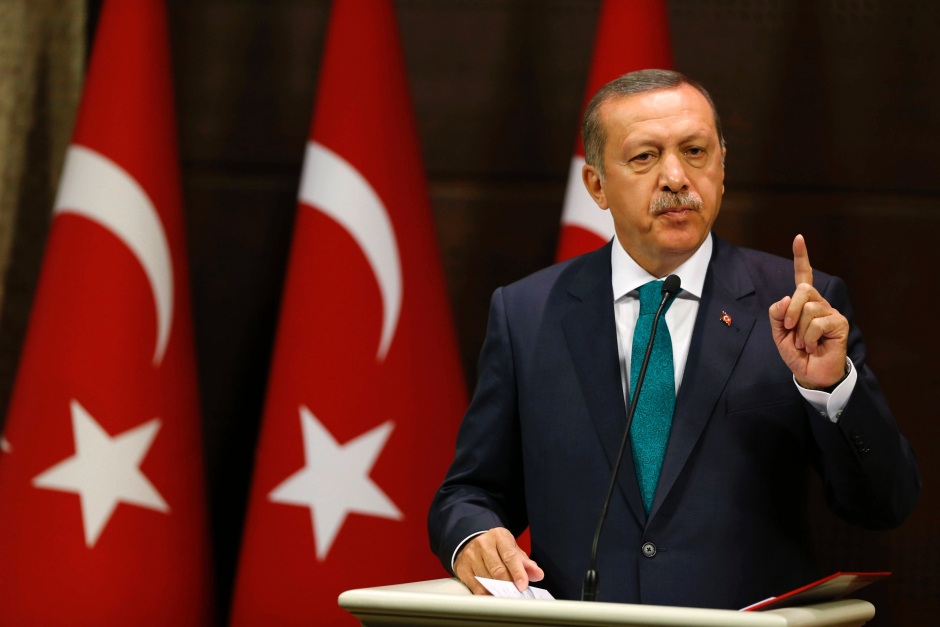
Foreign Policy after the Failed Coup: The Rise of Turkish Gaullism

by Omer Taspinar Western media has an understandable tendency to see Turkish President Recep Tayyip Erdogan as an incurable Islamist who is determined to overhaul the secularist legacy of Ataturk. Many Western policymakers, analysts, and scholars equate the notion of… Continue Reading →

Ending the Suffering in Syria?

by Helena Cobban August 26 saw the failure of yet another attempt by US Secretary of State John Kerry and Russian Foreign Minister Sergei Lavrov to negotiate the terms of a new cessation of hostilities in the now 64-month-long civil… Continue Reading →

Israeli-Arab Relations: Muddling Through by the Sword

by Paul R. Pillar It has long been generally regarded, and properly so, to be in everyone’s best interests if Israel had normal relationships with its regional neighbors. Normal relations are a condition for commerce and mutual prosperity. Normal relations… Continue Reading →

Federalism and Regionalism in the Middle East, Not Territorial Disintegration

by Shireen Hunter Since the United States’ invasion of Iraq in 2003, which exacerbated Iraq’s ethnic and sectarian divisions and the manipulation of these divisions by regional and international actors, centrifugal tendencies in Iraq have become quite strong. For example,… Continue Reading →