
Iran: Countering Extremism Through Inclusiveness

by Fatemeh Aman The Iranian government has long accused some of its neighboring states of using terrorism and insurgency to destabilize the country. There may be some truth to these accusations. But Iran’s treatment of minority groups has also contributed… Continue Reading →
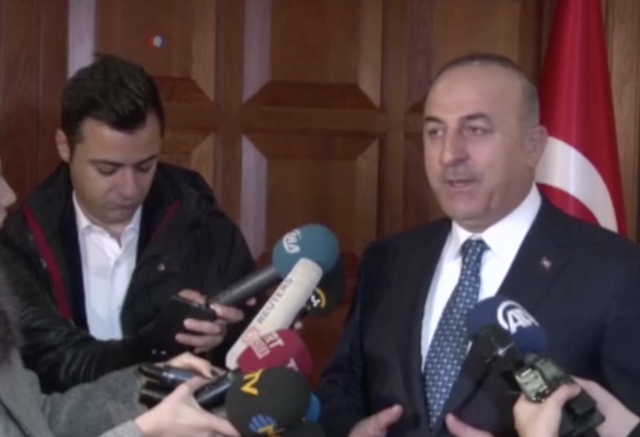
Turkish-Chinese Spat Puts Central Asian Leaders on the Spot

by James M. Dorsey A Turkish-Chinese spat as a result of Turkish criticism of China’s crackdown on Turkic Muslims in its strategic but troubled north-western province of Xinjiang complicates efforts by Kazakhstan and other Central Asian states to at best… Continue Reading →

Washington Should Challenge Riyadh Over Treatment of Women Activists

by Brian Dooley The news last Friday that Saudi Arabia will send tortured women’s rights activists to trial is another key test of U.S.-Saudi relations. The announcement came just three days after President Donald Trump’s senior adviser, Jared Kushner, met with Saudi Arabia’s… Continue Reading →

The U.S. Role in Hardening Hard Lines in the Middle East

by Paul R. Pillar Realism in foreign policy recognizes that all countries have some interests that conflict and some that conform with the interests of one’s own country. A U.S. foreign policy grounded in realism would see all countries as… Continue Reading →

China and Saudi Arabia: The Xinjiang Factor

by Giorgio Cafiero As the Jamal Khashoggi affair and the ongoing war in Yemen continually increase the amount of criticism that Saudi Arabia’s Crown Prince Mohammed bin Salman (MbS) receives in Western countries, he embarked this month on a three-leg… Continue Reading →